© CPI – Geneva, 2026. Building Bridges Project
News of the Institute
1) Workshops / Trainings / Field Missions
Fiqhi Pathways
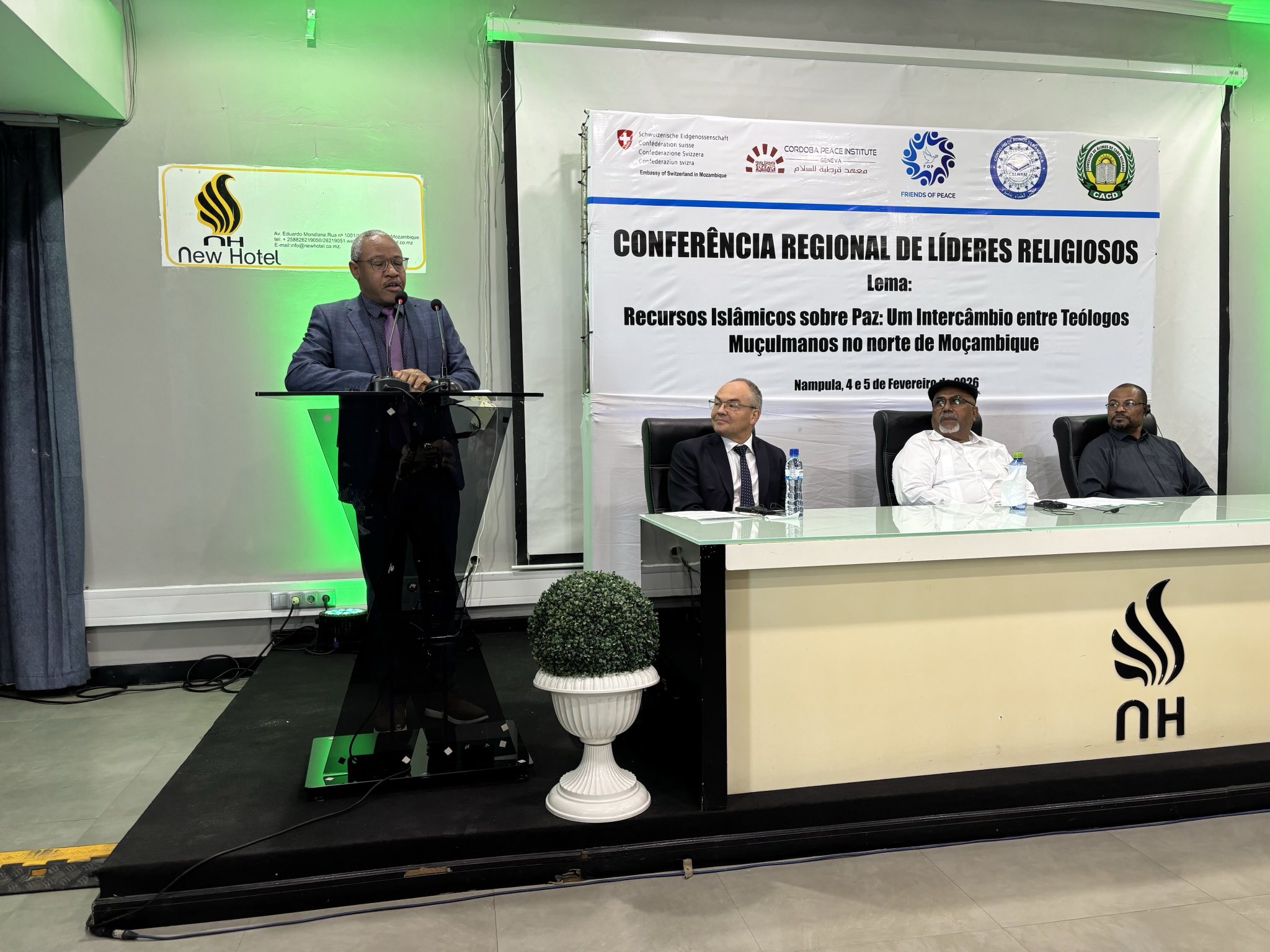
– A Conference in Nampula: Cordoba Peace Institute and Friends of Peace held a regional conference in the city of Nampula, Mozambique, on 4–5 February 2026. The event was organised in partnership with the Council of Ulema of Nampula and the Council of Ulema of Cabo Delgado. Against the backdrop of the Mozambican government’s commitment to fostering inclusive dialogue as a means of promoting peace, the conference explored the theme of “Islamic Resources for Peace: An Exchange Between Muslim Scholars in Northern Mozambique”. The conference brought together 50 participants from the provinces of Nampula, Cabo Delgado and Niassa, including Islamic scholars from various schools of thought with a range of diverse perspectives and experiences. Among the attendees were 14 women, as well as representatives of Christian communities.
– A Mission to Tripoli: As part of the Fiqhi Pathways MENA project, which aims to support processes for reducing violence and encouraging dialogue, CPI conducted a field mission to Tripoli, Libya, from 11 to 16 April 2026. The mission aimed to engage religious scholars, traditional leaders, and civil society actors on cooperation with government bodies towards the joint implementation of social cohesion initiatives.
– Meeting of Elders and Notables in Tripoli: From 21 to 26 June 2026, CPI visited Tripoli, Libya, where it met with a group of elders and notables to discuss ways to enhance stability and social cohesion in the city through their councils. The Institute also met with the Libyan Minister of State for Displaced Persons and Human Rights to explore opportunities for collaboration in peacebuilding, conflict transformation and human rights promotion. After affirming the importance of continued coordination and cooperation to support sustainable peacebuilding and the consolidation of human rights and social coexistence values, the two parties signed a memorandum of understanding outlining their collaborative framework.
– A Workshop in Tanga: From 9 to 11 June 2026, CPI and its local partner in Tanzania, Friends of Peace, brought together in Tanga 13 Islamic scholars from East Africa and the MENA regions. The scholars exchanged on social cohesion and violence reduction.
– Afghanistan Monthly News Roundup: CPI pursues its engagement with Deobandi scholars of or close to the Taliban to promote governance in line with IHL and Islamic jurisprudence through Fiqhi dialogue exchanges. The “Afghanistan Monthly News Roundup” is a newsletter that aims to keep track of the discussions and debates among scholars on issues of governance policies of the Taliban, especially in the areas of education, social policies, and statecraft and governance institutions.
Building Bridges:
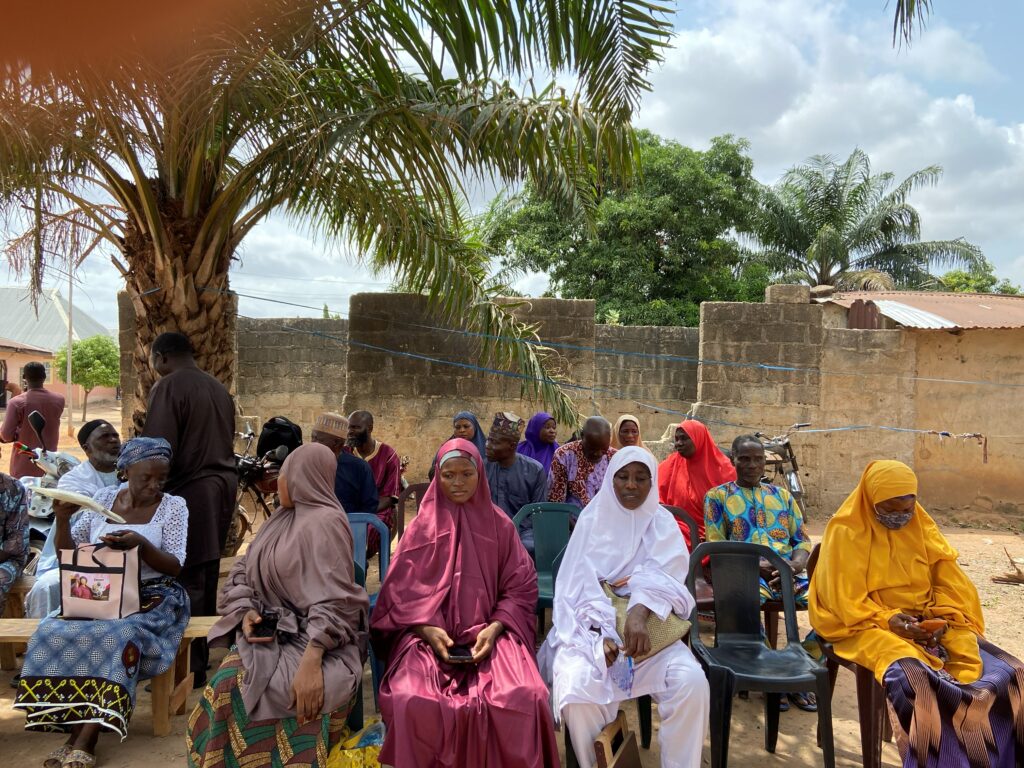
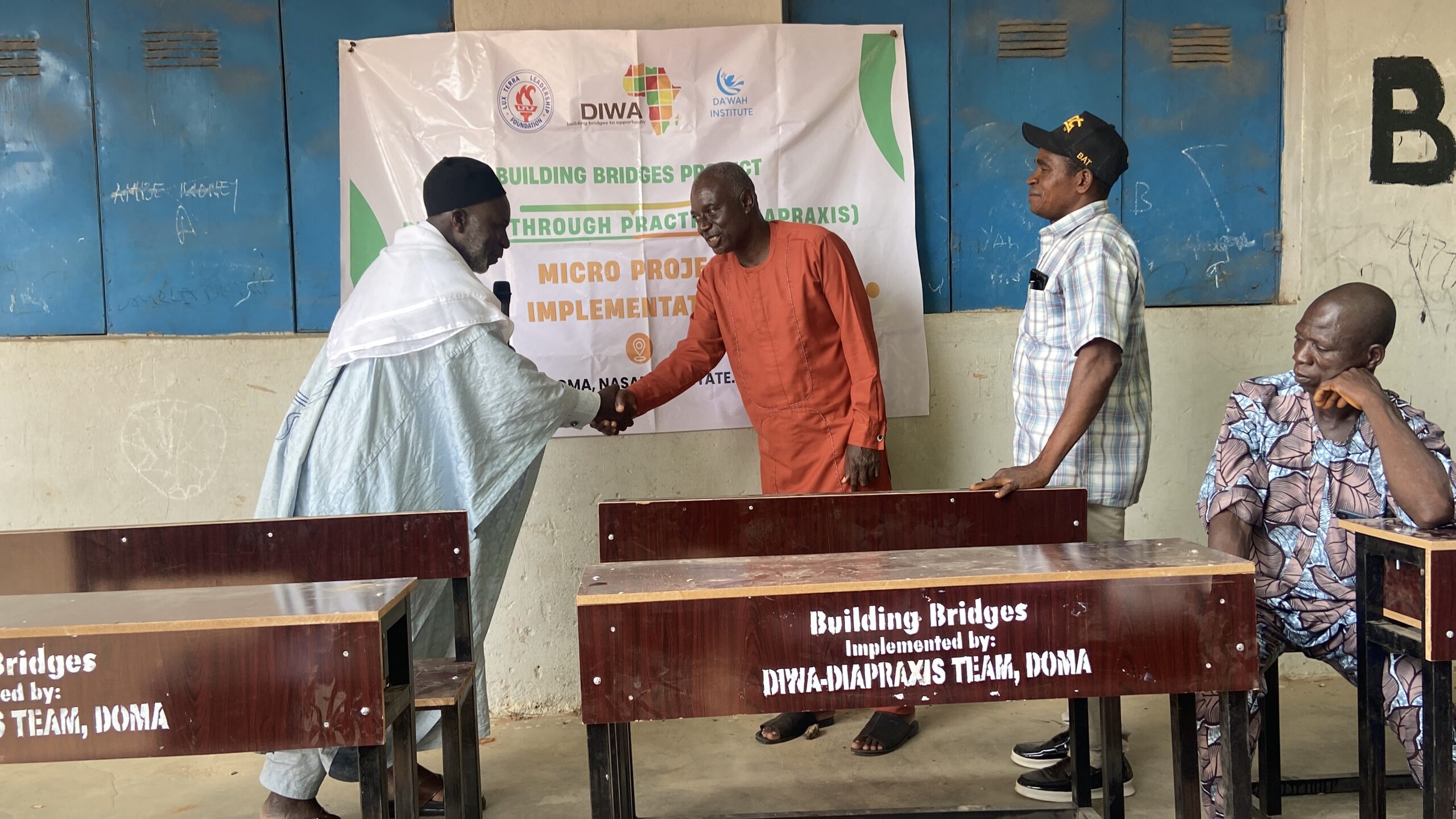
– Over the past months, the Building Bridges Project has continued to strengthen interfaith dialogue and collaboration across Plateau, Benue, and Nasarawa States in Nigeria through capacity-building activities, youth engagement, and the implementation of community-led Diapraxis micro-projects. These initiatives have translated dialogue into tangible peace dividends through the implementation of community based joint action, including improvements in access to water, education, and community infrastructure, while fostering trust and cooperation among Christian and Muslim communities. In parallel, digital content featuring project participants and faith-based influencers has been produced and is currently being disseminated to amplify positive narratives of peaceful coexistence.
– On 24 June, CPI organized a roundtable in Abuja and brought together key stakeholders to share lessons learned, discuss challenges, and reflect on the project’s achievements and sustainability. A dedicated report summarizing the discussions and key findings will be made available soon on our website.
Path to Peace:
Following a two-month no-cost extension, the Path to Peace project, implemented by the Dar Al-Andalus Centre (DAAC) in partnership with the Development Initiative of West Africa (DIWA), was successfully concluded in February 2026. Building on the achievements and lessons learned, a new phase is expected to commence in the coming semester. The next phase will focus on strengthening the capacity of religious scholars and faith-based institutions to deliver effective Preventing Violent Extremism (PVE) interventions through enhanced curricula integrating Islamic theology, psychosocial approaches, and Constructive Alternative Narratives in NE Nigeria.
As technical advisor, CPI will provide overall technical support. CPI will also lead the design and facilitation of a high-level roundtable in Abuja on the theme “Intra-Muslim Diversity in Northern Nigeria: Recent Developments and Entry Points for Dialogue and Peacebuilding”, bringing together local, national, and international stakeholders to promote strategic dialogue, peer learning, and experience-sharing.
Peacebuilding in Somalia:
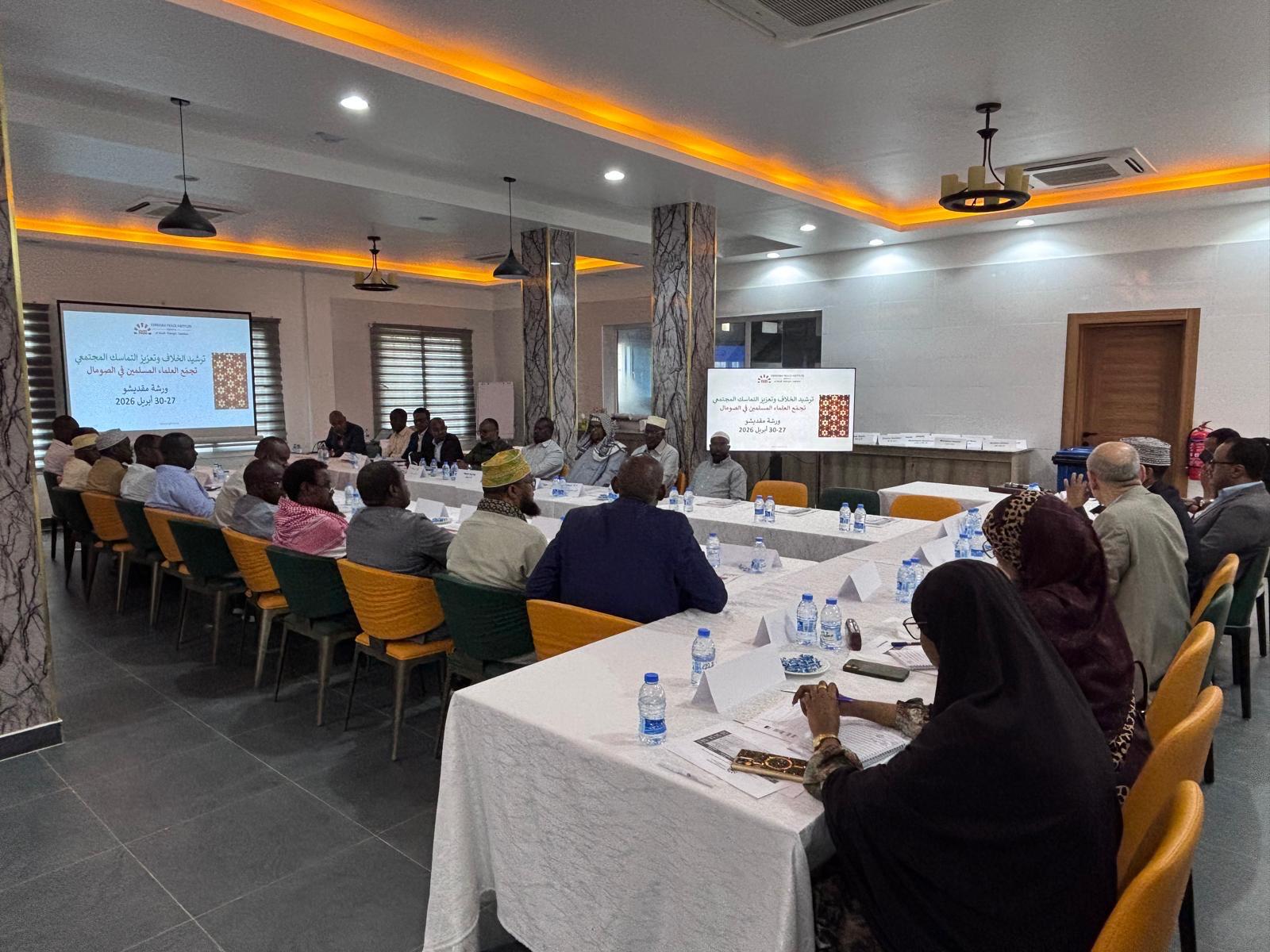
Capacity building in Mogadishu: A capacity-building workshop focusing on conflict transformation and social cohesion was held in Mogadishu from 27 to 30 April 2026. Organised in partnership with the Somali Ministry of Endowments and Islamic Affairs and UNDP, the workshop formed part of the UNDP/UNSOM project, “Islaamku Waa Nabad: A Peacebuilding Approach to Addressing Violent Extremism in Somalia”, and as a follow-up to an initial online training workshop held from 15 to 19 December 2025. This involved more than 40 participants from the various Somali states.
2) External Events
The findings of the research project on “Islamic Jurists Shaping the Actions of Armed Groups and their Ability to Craft Practical Solutions to Conflict”, co-directed by CPI and the Center for Security Studies (CSS) at ETH Zurich, and co-funded by the Templeton Religion Trust (TRT) and the Swiss Federal Department of Foreign Affairs (FDFA), were presented by Dr Emanuel Schäublin from CSS, co-lead of the research, in a research seminar entitled “Islamic jurists in conflict: From warfare to governance and mediation”, organised by the Centre on Conflict, Development and Peacebuilding at the Geneva Graduate Institute on 12 May 2026.
3) CPI in the Media
A reflective essay by Abbas Aroua drawing on Islamic teachings and history showing how Muslim traditions support Cross-Cultural Religious Literacy (CCRL) and interfaith peacebuilding. Written after a 2025 Krakow summit, linking these ideas to CPI-Geneva’s practice of dialogue and joint action.
Abbas Arous | Cross-Cultural Religious Literacy and Practical Peacemaking in Islamic Contexts: Ten Reflections
4) Reports
CPI Annual report 2025 | Report
Publications