



Religious and community dynamics of Islam in Ivory Coast and Benin
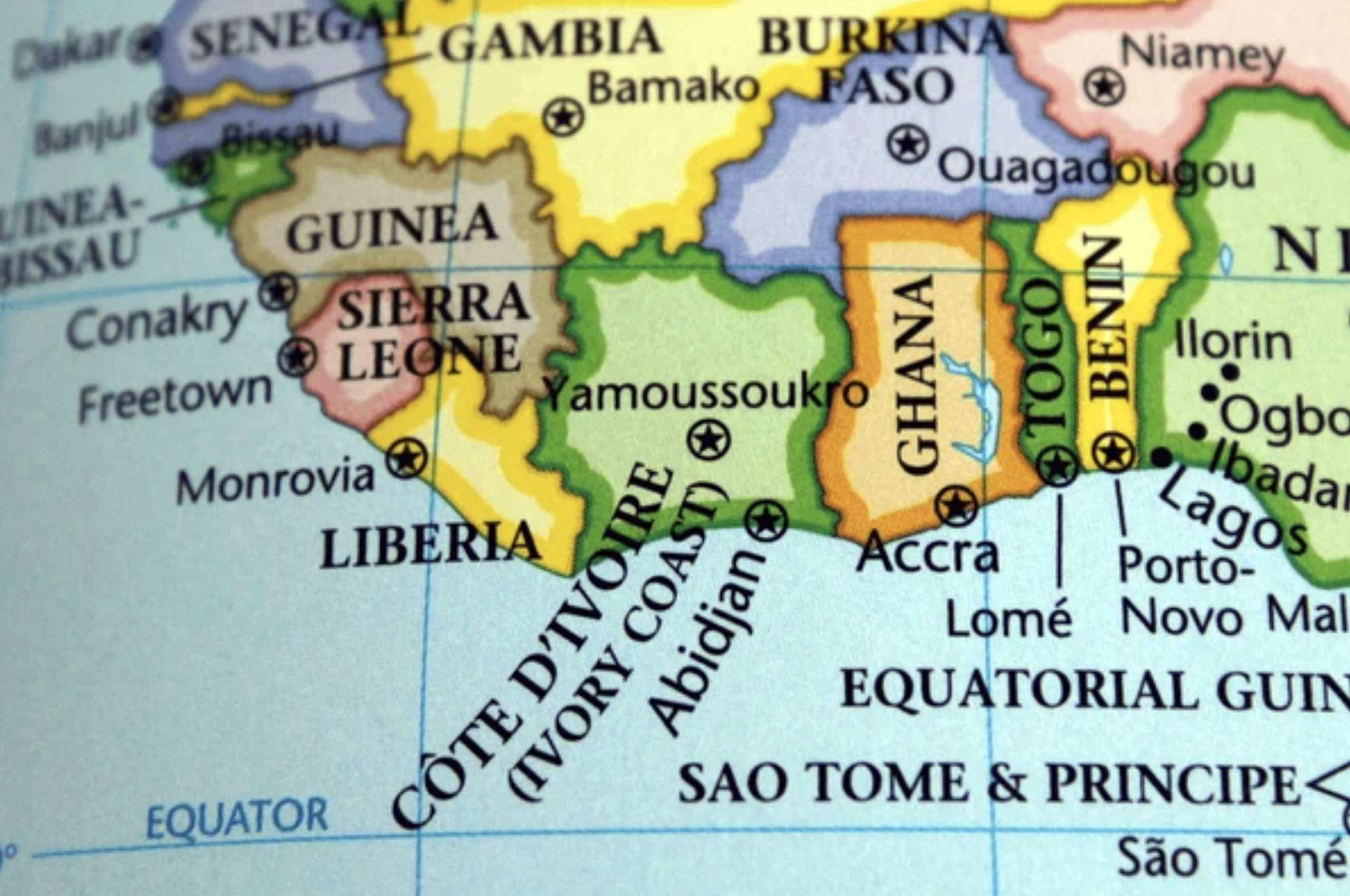
This contribution is grounded in an exploratory mission conducted by CPI in Ivory Coast and Benin in June 2025, against a regional backdrop characterized by the gradual southward expansion of Sahelian insecurity into the coastal states of the Gulf of Guinea. Long perceived as bastions of stability in West Africa, both countries are now experiencing a profound reconfiguration of their religious, communal, and security landscapes, driven by the combined effects of transnational threats, internal vulnerabilities, and latent socio-political tensions.
The analysis provides a contextualized examination of Islamic dynamics in Ivory Coast and Benin, highlighting the fragile foundations of social cohesion, intra-religious contestations, and the ambivalent influence of historical and political legacies on the structuring of intra and interfaith relations. It further demonstrates the limitations of security-centric responses in addressing threats that have become increasingly entrenched within border regions and local social fabrics.
Within this context, the paper underscores the imperative to strengthen integrated approaches that effectively combine security responses, community-based engagement, and the mobilization of religious leadership. It emphasizes the strategic relevance of local religious authorities, whose moral legitimacy, deep social embeddedness, and nuanced understanding of local dynamics constitute critical assets for preventing the violent instrumentalization of religious references and for promoting alternative narratives to violence.
Drawing on its well-established expertise in conflict transformation, intra- and interreligious dialogue, and the development of alternative narratives—particularly in the Sahel and Nigeria—CPI affirms through this contribution its strategic interest in the West African coastal region. This exploratory mission thus represents an initial step toward identifying context-sensitive intervention pathways capable of strengthening community resilience and contributing, over the medium and long term, to the sustainable stabilization of these evolving environments.